


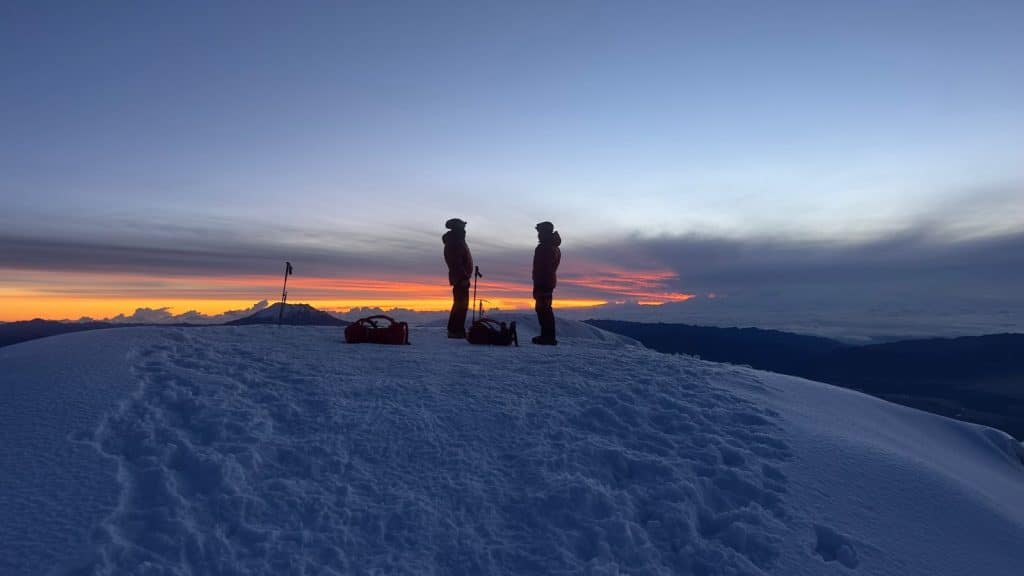
Cotopaxi Is More Challenging Than Most People Expect

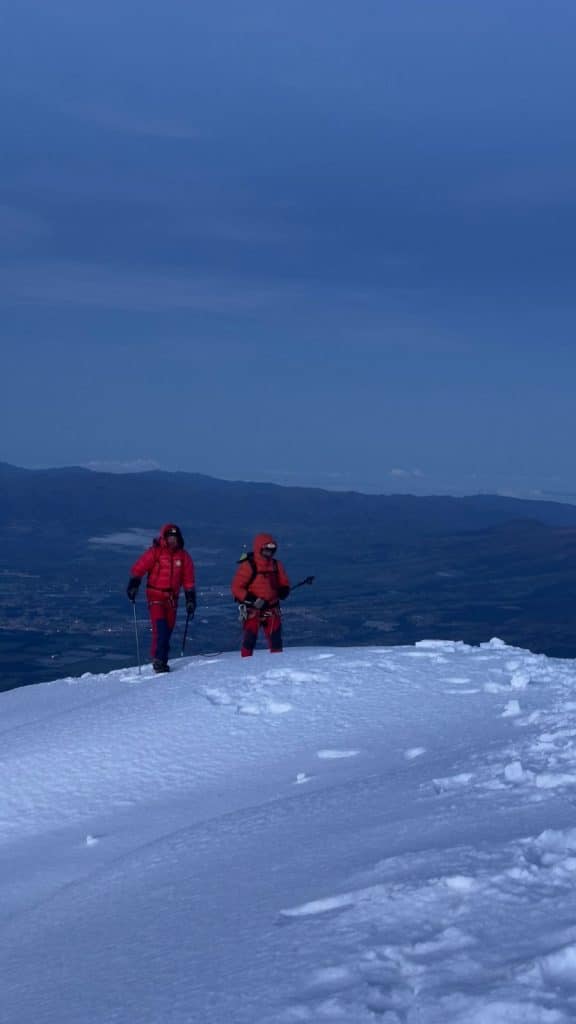
Cotopaxi is widely known as one of the most accessible high-altitude climbs in the world, which is why many travelers search “how difficult is Cotopaxi” before booking their trip. While it is true that climbing Cotopaxi in Ecuador is more accessible than many other 6,000-meter peaks, it is far from an easy climb.
At 5,897 meters (19,347 ft), Cotopaxi presents a real high-altitude challenge that combines glacier travel, endurance, and extreme altitude. The difficulty of Cotopaxi is often underestimated because of its popularity, but the reality is that most climbers struggle not with the terrain itself, but with altitude and lack of preparation.
Understanding the true difficulty of climbing Cotopaxi is the first step toward a safe and successful summit.
What Makes Climbing Cotopaxi Difficult
The primary challenge when climbing Cotopaxi Ecuador is altitude. Above 5,500 meters, oxygen levels drop significantly, affecting performance even in strong climbers. Fatigue, headaches, and reduced pace are common, and without proper acclimatization, these factors can prevent climbers from reaching the summit.
The glacier adds another level of complexity. As part of any Cotopaxi climb guide, climbers must use crampons, ice axes, and ropes to navigate crevasses and steep snow slopes. While the route is considered moderate, it still requires coordination, focus, and confidence in glacier travel.
Summit day also increases the difficulty. The climb begins around midnight, requiring 6 to 8 hours of continuous effort in cold and low-oxygen conditions. Managing energy, pacing, and hydration becomes essential for success.

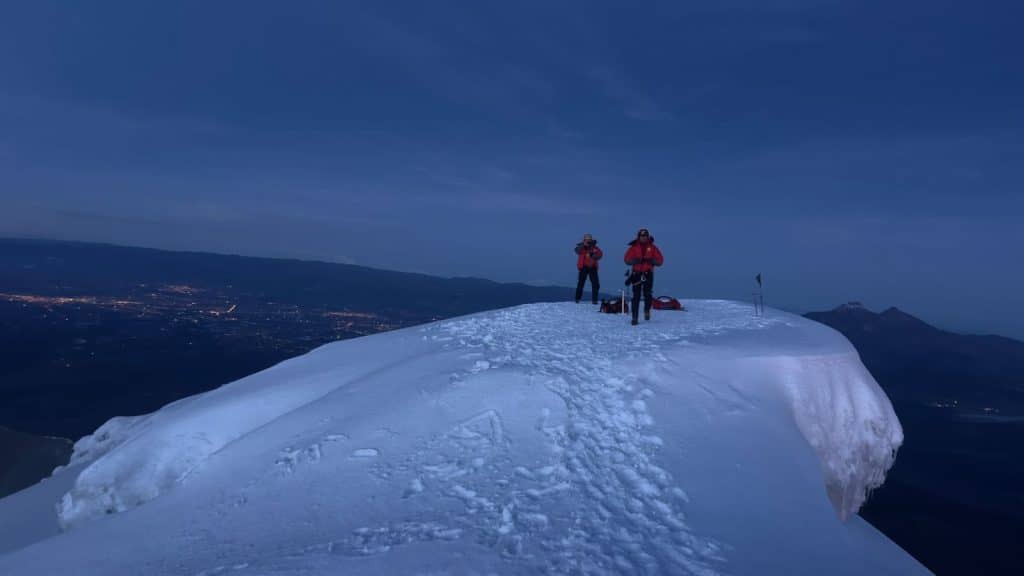
Why Multi-Day Cotopaxi Programs Improve Summit Success Rates
One of the most important factors influencing the Cotopaxi summit success rate is acclimatization. Many climbers attempt short itineraries, but rushed programs significantly reduce performance at altitude.
Multi-day programs allow for gradual adaptation, which is essential for high-altitude climbing. By including acclimatization hikes and proper rest, climbers improve their chances of reaching the summit safely and efficiently.
At Ecuador Eco Adventure, our approach to Cotopaxi acclimatization focuses on building strength and confidence before summit day. This not only increases success rates but also enhances the overall experience of the climb.
Tambo Paxi: The Best Place to Acclimatize Before Climbing Cotopaxi
A key advantage in any successful Cotopaxi climb guide is spending time at altitude before the summit push. Tambo Paxi offers one of the best acclimatization environments inside Cotopaxi National Park.
Staying at Tambo Paxi allows climbers to sleep higher, hydrate properly, and begin adapting to altitude before moving to the refuge. Even a single night at altitude can significantly improve performance during the climb.
For many climbers, this step is the difference between struggling on summit day and maintaining a steady, controlled pace toward the top.
A Proven 3-Day Cotopaxi Climbing Strategy
A well-designed itinerary is essential when planning climbing Cotopaxi Ecuador. A simple three-day program provides an effective balance between acclimatization and efficiency.
Day one focuses on transfer to Tambo Paxi, rest, hydration, and optional acclimatization hikes.
Day two includes moving to the José Rivas Refuge, preparing equipment, and resting before the climb.
Day three is summit day, starting at midnight and aiming to reach the summit in the early morning.
This structure aligns with best practices for Cotopaxi acclimatization and significantly improves the Cotopaxi summit success rate.
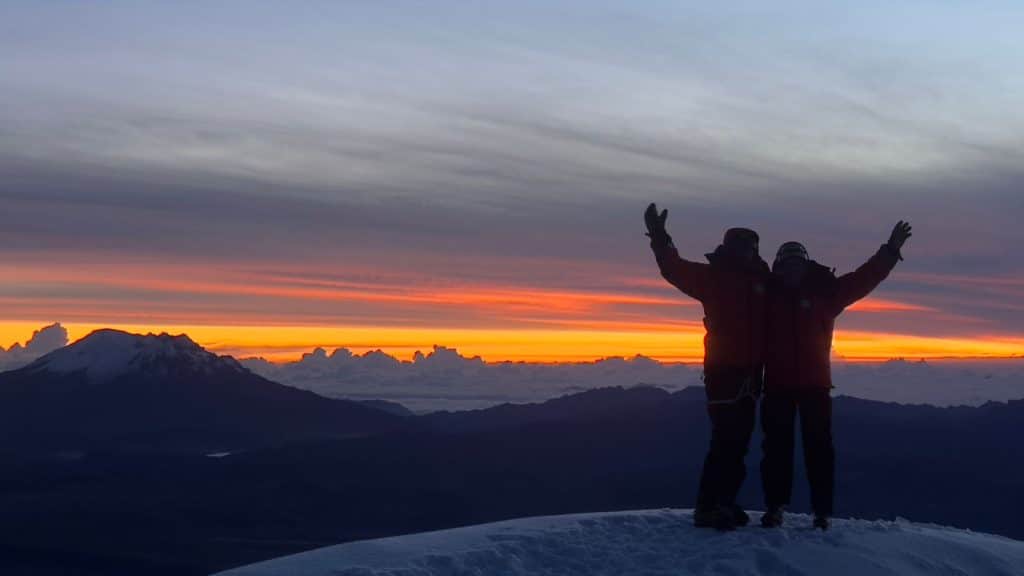
Cotopaxi as a Gateway to Higher Peaks Like Chimborazo
For many climbers, Cotopaxi is not just a goal, but part of a larger progression in high-altitude mountaineering. Successfully climbing Cotopaxi prepares the body for more demanding peaks such as Chimborazo.
With proper acclimatization, structured programs, and professional guidance, Cotopaxi becomes the ideal introduction to glacier climbing in Ecuador and a stepping stone toward more advanced expeditions.
At Ecuador Eco Adventure, we encourage climbers to approach the mountain as a process. With the right preparation, climbing Cotopaxi becomes not only achievable, but one of the most rewarding experiences in the Andes.