

What You Should Know Before Booking ANY Mountaineering Tour in Ecuador
Ecuador Is a Premier Mountaineering Destination — But It Demands Respect
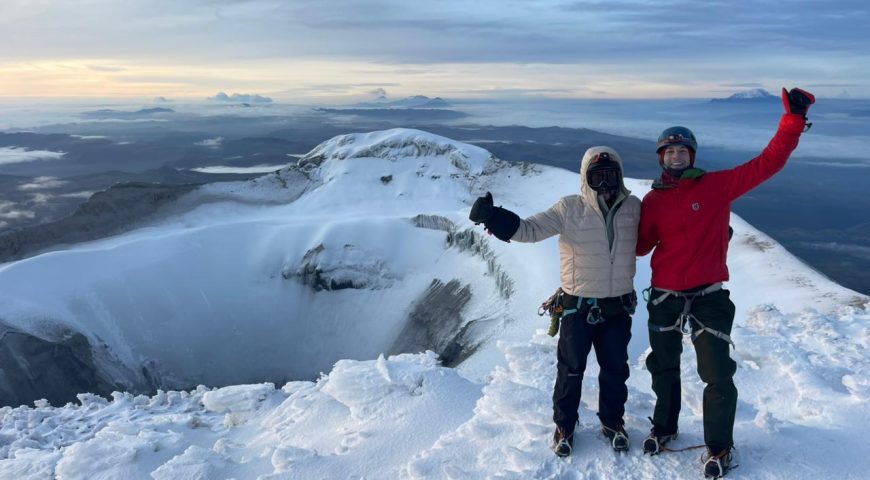
Ecuador is one of the most accessible high-altitude mountaineering destinations in the world. Within a few hours of Quito, climbers can reach glacier-covered volcanoes such as Cotopaxi, Chimborazo, Cayambe, and Antisana. Few countries offer this level of access to 5,000 and 6,000-meter peaks.
However, accessibility does not mean simplicity. These are real high-altitude expeditions involving glaciers, extreme weather variability, rockfall zones, and physiological stress from reduced oxygen levels. Many climbers underestimate these factors because Ecuador’s mountains are often marketed as “short programs” or “quick summits.”
Before booking any mountaineering tour in Ecuador, it is essential to understand what truly determines safety, success, and overall experience.
Guide Certification, Ratios, and Experience Matter More Than Marketing
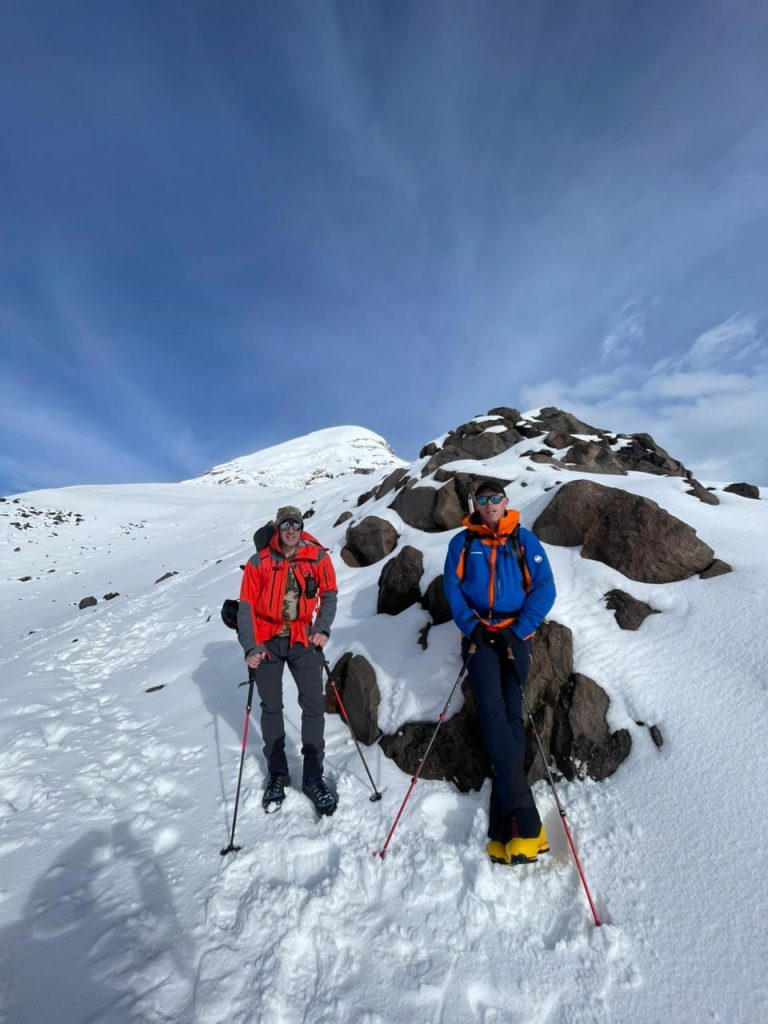
The most critical factor in any mountaineering tour is the guide team. In Ecuador, professional high-altitude guides should be certified by ASEGUIM (Asociación Ecuatoriana de Guías de Montaña). This certification ensures formal training in glacier travel, crevasse rescue, rope systems, avalanche awareness, and risk management.
Beyond certification, experience on the specific mountain matters. A guide who has summited Chimborazo dozens or hundreds of times understands route changes, seasonal glacier conditions, and weather patterns in ways that cannot be replicated by someone new to the peak.
Climber-to-guide ratios are also essential. On glacier climbs, lower ratios (for example 1:1 or 2:1) significantly improve safety and efficiency. Larger group ratios may reduce cost but increase risk and slow decision-making on summit day.
Acclimatization Strategy Is the Foundation of Success
Altitude is the primary obstacle in Ecuadorian mountaineering. Above 5,500 meters, oxygen availability drops dramatically, and no level of sea-level fitness can compensate for poor acclimatization.
Many failed summit attempts are not caused by lack of strength but by rushed itineraries. Programs that attempt Cotopaxi or Chimborazo without proper acclimatization significantly reduce summit chances and increase the risk of Acute Mountain Sickness.
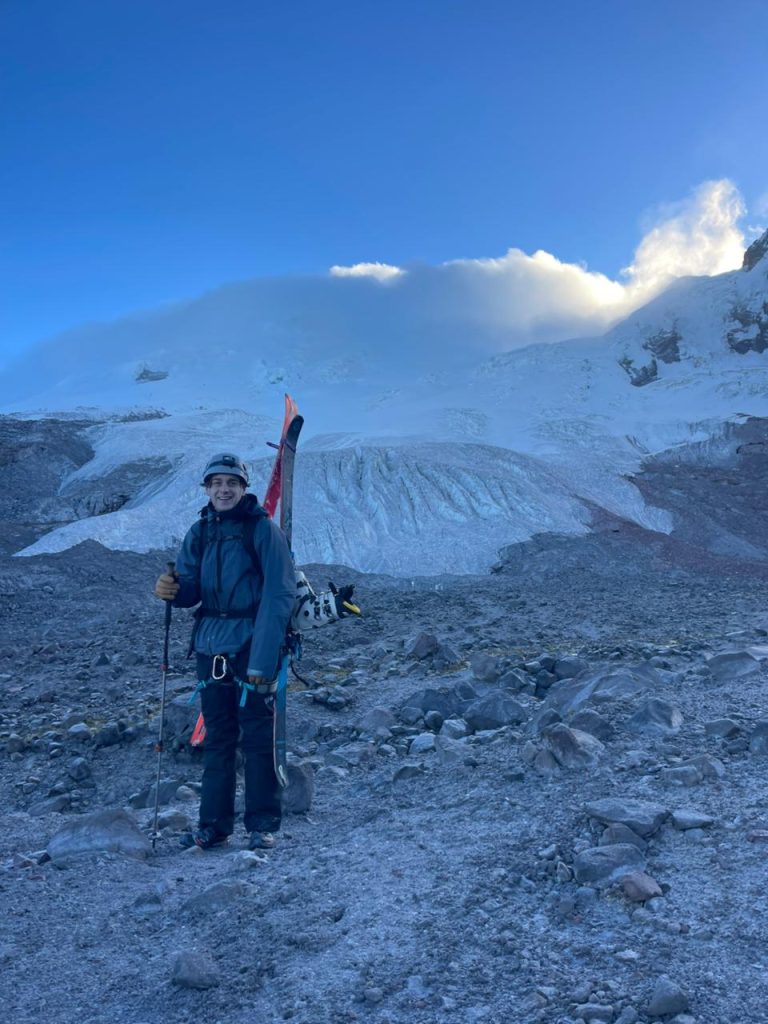
A responsible mountaineering itinerary should include progressive altitude exposure. This may involve acclimatization hikes such as Pasochoa or Rucu Pichincha, followed by climbs like Iliniza Norte or Cotopaxi before attempting higher peaks. Sleeping at altitude and incorporating rest days are equally important.
If a program promises to take you from Quito directly to a 6,000-meter summit in just a few days, this should be treated as a serious warning sign.
Understand Realistic Success Rates, Risk Management, and Turnaround Policies
No reputable mountaineering operator guarantees a summit. Weather, altitude response, glacier conditions, and timing all influence success.
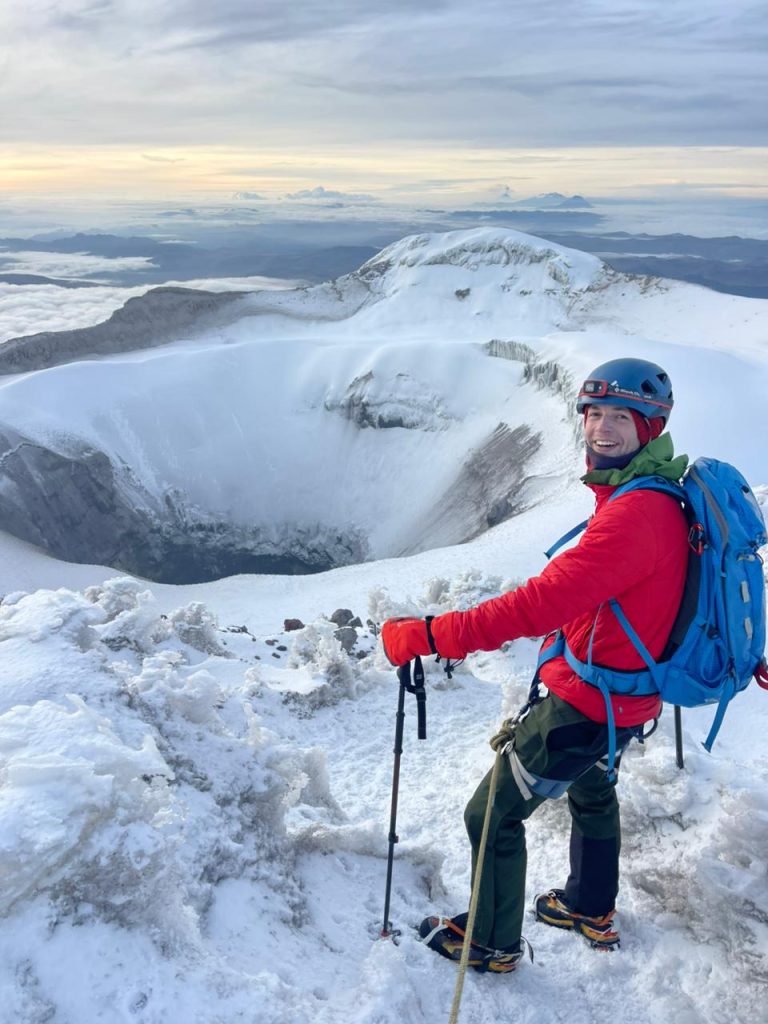
In Ecuador, typical summit success rates vary by mountain. Cotopaxi may average 60–70% under good conditions, while Chimborazo often ranges between 25–40% without structured preparation. These numbers improve significantly with proper acclimatization and strong logistics.
Equally important is the operator’s turnaround policy. Responsible guides set strict turnaround times and will turn clients back if conditions become unsafe. This is not a failure; it is professional mountain leadership.
Equipment Standards, Logistics, and Overall Professionalism
High-altitude mountaineering requires reliable technical equipment. Boots, crampons, ice axes, helmets, harnesses, and rope systems must be in good condition and appropriate for glacier travel. Operators should clearly state what gear is included and whether it meets current safety standards.
Logistics also influence performance. Transportation timing, refuge reservations, high-camp planning, nutrition, hydration strategies, and rest accommodations all impact how the body performs at altitude.
Professional mountaineering tours communicate clearly before the expedition begins. They provide packing lists, explain physical preparation, outline risks honestly, and maintain consistent communication.
If communication feels unclear or rushed before booking, this often reflects how the expedition itself will be organized.
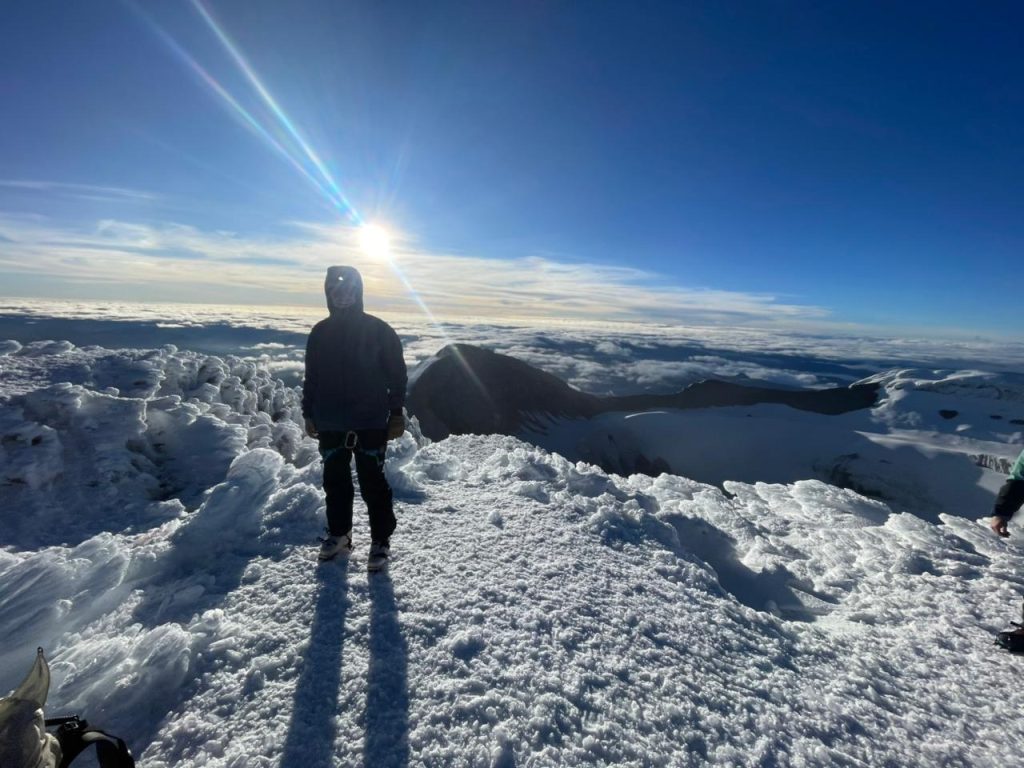
Choose the Process, Not Just the Price
Mountaineering is not a commodity purchase. Choosing the cheapest option without understanding safety standards, guide certification, acclimatization structure, and logistics can compromise both experience and security.
The true value of a mountaineering tour lies in preparation, transparency, professional guidance, and responsible decision-making. A well-designed expedition builds confidence, improves summit probability, and prioritizes long-term safety over short-term success.
Ecuador’s volcanoes offer extraordinary opportunities for high-altitude climbing. With proper planning, certified guides, structured acclimatization, and realistic expectations, they provide some of the most rewarding mountaineering experiences in South America.
Before booking any mountaineering tour in Ecuador, take the time to evaluate the process behind the summit. The right preparation will always make the difference.

General Manager and Founder. National guide and wildlife expert, photographer of wildlife, and Ecuador Birdwatcher. Wlady is a proud Ecuadorian who went to highschool in New Zealand and started of Ecuador Eco Adventure after meeting his Aussie mate Jake while studying ecotourism at uni. Ask us about how to climb Cotopaxi and Climbing Chimborazo as well as Trekking in Ecuador and Yasuni Amazon Tours.