
Climbing Chimborazo: The Real Difficulty, Preparation Process, and How to Maximize Your Chances of Success
Chimborazo Is Not a Mountain You “Just Try”
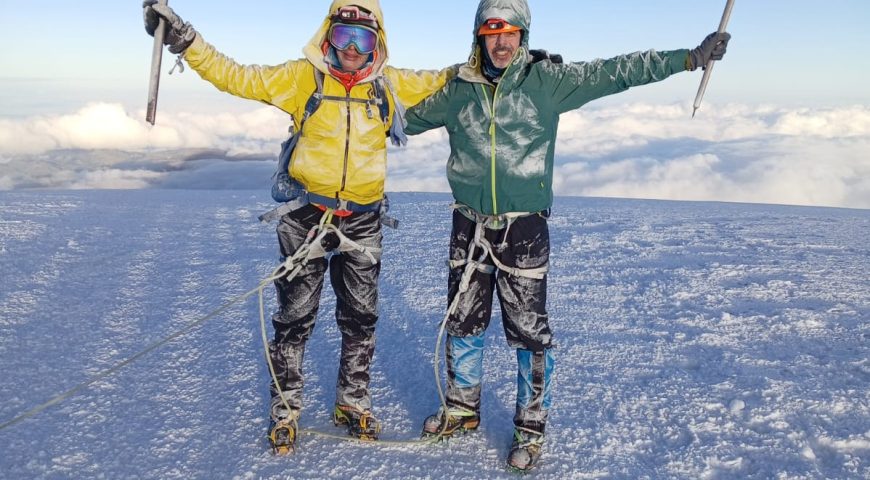
Chimborazo rises to 6,263 meters (20,549 ft), making it the highest mountain in Ecuador and the farthest point on Earth from its center. These facts alone attract climbers from around the world, but they also hide an important truth: Chimborazo is one of the most difficult climbs in the Northern Andes.
Many climbers researching “How hard is Chimborazo?” are surprised to learn that strength and motivation are rarely the deciding factors. Most unsuccessful attempts happen because climbers arrive without proper acclimatization, underestimate the altitude, or rush the process. Chimborazo rewards preparation, patience, and respect for the mountain far more than ambition.
Why Climbing Chimborazo Is So Difficult
The primary challenge of climbing Chimborazo is altitude. Above 6,000 meters, oxygen availability drops below 50% of sea level, causing rapid fatigue even in very fit climbers. This physiological stress is unavoidable and cannot be trained away at sea level.
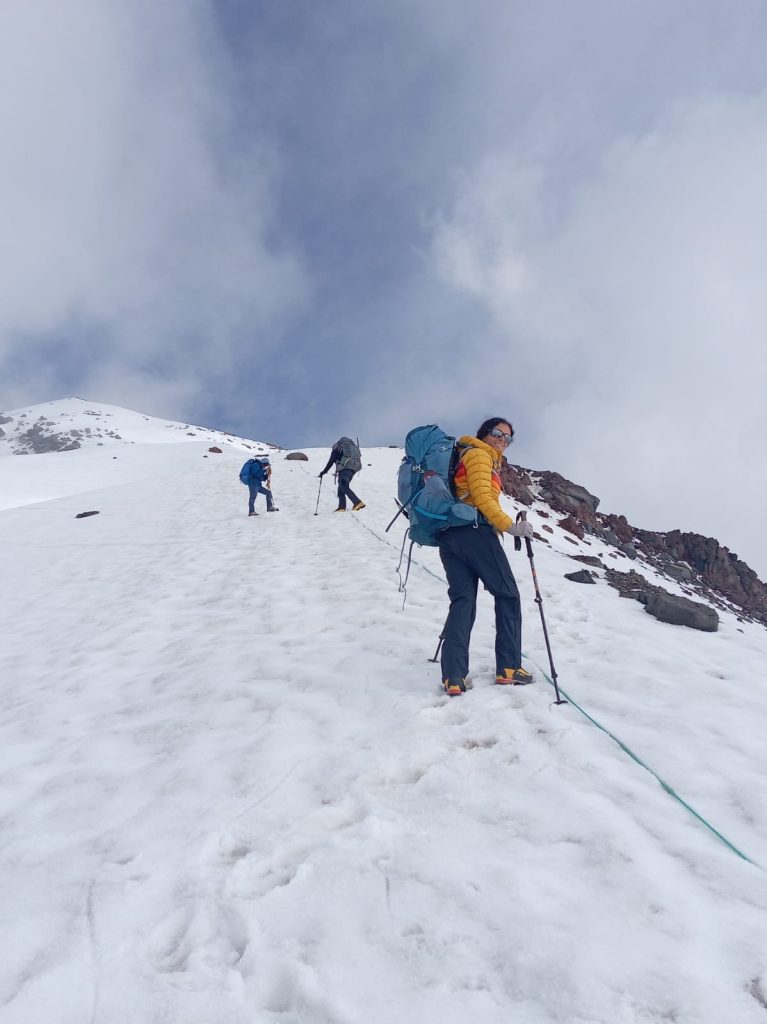
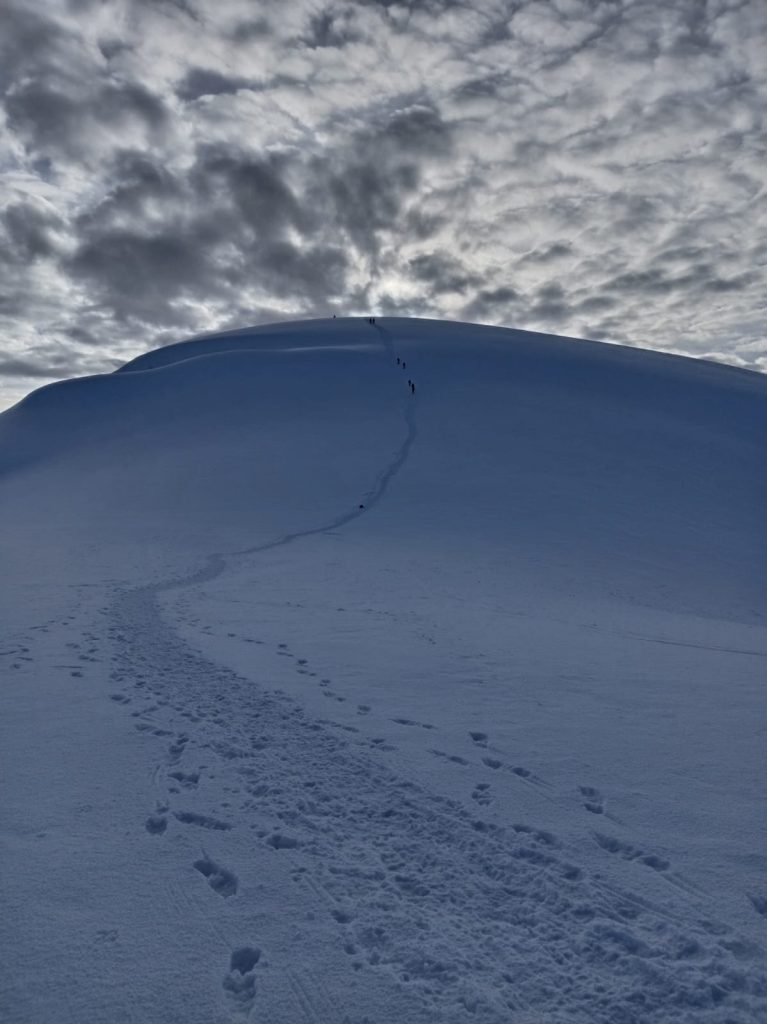
Summit day typically begins around midnight from High Camp at 5,300 meters and can last between eight and twelve hours. Climbers must maintain a steady pace in cold, wind, and darkness while managing exhaustion and reduced coordination. The terrain adds another layer of difficulty. Chimborazo is a true glacier climb, often involving hard snow, ice sections, crevasses, and seasonal rockfall zones. Solid crampon technique and rope travel experience are essential.
Weather and glacier conditions on Chimborazo are highly variable, which means that adaptability and good decision-making are critical throughout the climb.
Realistic Success Rates on Chimborazo
One of the most honest indicators of Chimborazo’s difficulty is its success rate. On average, only 25–40% of climbers reach the summit. These numbers improve significantly, often reaching 50–60%, when climbers follow a proper acclimatization plan and arrive well prepared.
This difference highlights a key reality of Chimborazo: success is rarely about luck. It is about arriving at the mountain with a body that is already adapted to altitude and a mindset prepared for long, demanding summit days.
Why Preparation and Acclimatization Matter More Than the Summit
At Ecuador Eco Adventure, we treat preparation as an essential part of the Chimborazo expedition. Progressive acclimatization allows the body to adapt naturally while building confidence and technical efficiency at altitude.
A well-structured preparation program typically includes acclimatization hikes and climbs such as Pasochoa, Rucu Pichincha, Iliniza Norte, and Cotopaxi before attempting Chimborazo. Sleeping at altitude, resting properly, and maintaining good nutrition play a major role in how the body responds above 5,800 meters.
Physical training is also important, but Chimborazo favors endurance over speed. Long hikes with sustained elevation gain, stair climbing, and cardiovascular conditioning are far more useful than short, high-intensity workouts. Mental preparation is equally critical, as summit day requires patience, focus, and discipline.
Professional guidance is another decisive factor. ASEGUIM-certified guides provide glacier safety, route management, and experienced decision-making that directly affect both safety and summit success.
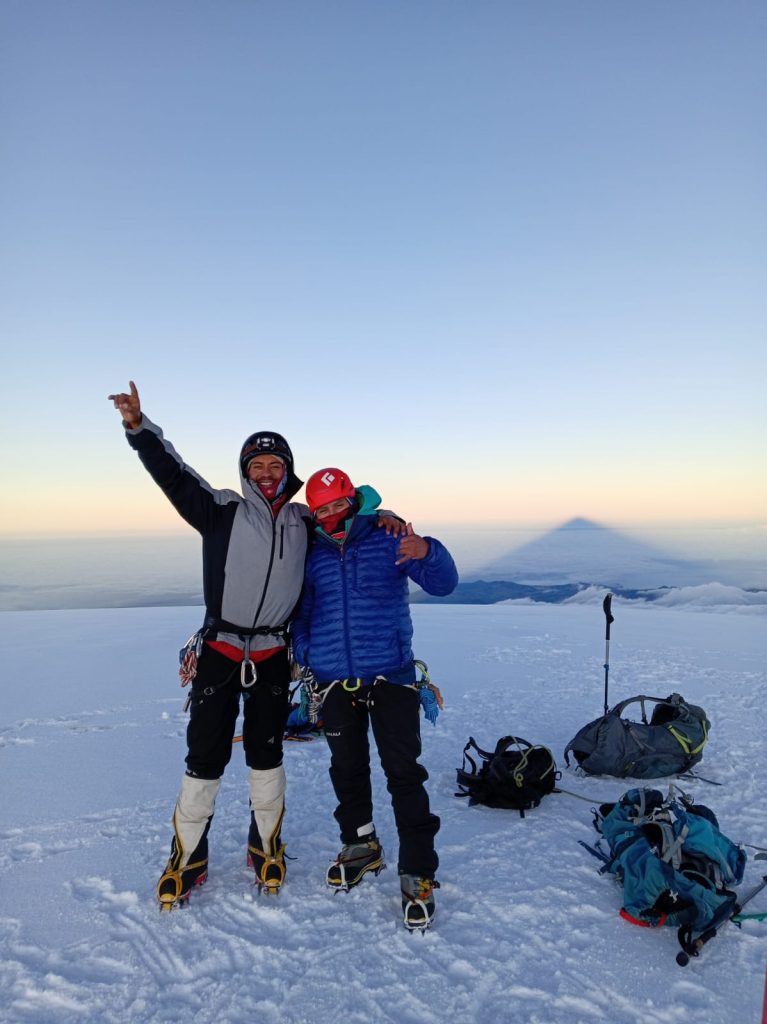
Join the Preparation, Not Just the Summit
Climbing Chimborazo should never be about rushing to the top. The mountain demands a process, and that process is what turns a difficult climb into a meaningful achievement. When climbers join a structured preparation program, they gain more than a summit attempt. They gain experience, confidence, and a much higher margin of safety.
At Ecuador Eco Adventure, we invite climbers to join us in the preparation, learn the Andes step by step, and approach Chimborazo with the respect it deserves. The summit is important, but it is the journey leading up to it that defines the experience.

General Manager and Founder. National guide and wildlife expert, photographer of wildlife, and Ecuador Birdwatcher. Wlady is a proud Ecuadorian who went to highschool in New Zealand and started of Ecuador Eco Adventure after meeting his Aussie mate Jake while studying ecotourism at uni. Ask us about how to climb Cotopaxi and Climbing Chimborazo as well as Trekking in Ecuador and Yasuni Amazon Tours.