
Altitude Sickness in Ecuador: Symptoms, Prevention, Diamox & Natural Acclimatization
Planning to visit the Ecuadorian Andes? Whether you’re hiking through the páramo, exploring volcanoes, or preparing to climb Cotopaxi, Chimborazo, Cayambe, or Antisana, understanding altitude sickness is one of the most important steps toward a safe and enjoyable adventure.
One of the first questions we hear from travelers is:
“Should I take Diamox before coming to Ecuador?”
At Ecuador Eco Adventure, we have been guiding trekkers and mountaineers in the Ecuadorian Andes since 2006. While Diamox has its place and is recommended by many physicians in certain situations, our philosophy is to help clients acclimatize naturally whenever possible. Our itineraries are designed to give your body the time it needs to adapt before attempting higher elevations.
In this guide, we’ll explain what altitude sickness is, how Diamox works, and why proper acclimatization remains the most effective strategy for most travelers.
What Is Altitude Sickness?
Altitude sickness, medically known as Acute Mountain Sickness (AMS), occurs when your body does not receive enough oxygen after ascending to high elevations too quickly.
Many people believe there is less oxygen at altitude. In reality, the percentage of oxygen in the atmosphere remains the same (approximately 21%). What changes is the air pressure. As atmospheric pressure decreases, every breath contains fewer oxygen molecules, making it more difficult for your body to absorb the oxygen it needs.
This is why even healthy and physically fit people can experience altitude sickness.
In Ecuador, travelers can reach high elevations very quickly:
- Quito – 2,850 m (9,350 ft)
- Rucu Pichincha – 4,696 m (15,407 ft)
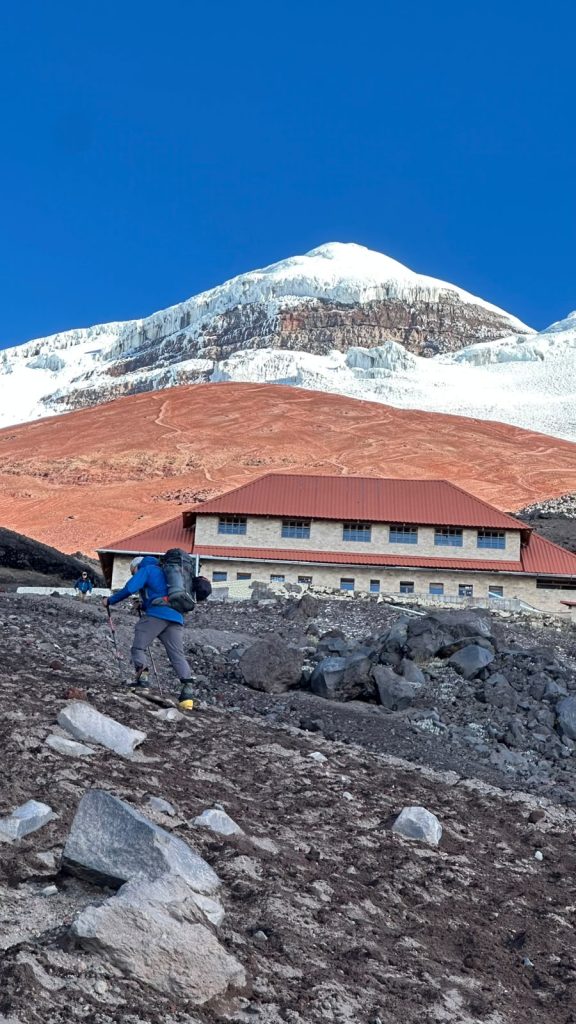
- Cotopaxi Refuge – 4,864 m (15,958 ft)
- Chimborazo High Camp – 5,300 m (17,388 ft)
- Chimborazo Summit – 6,263 m (20,548 ft)
Without allowing time for acclimatization, your body may struggle to adapt.
Why Does Altitude Sickness Happen?
At sea level, oxygen moves easily from your lungs into your bloodstream.
At higher elevations, the lower atmospheric pressure reduces the amount of oxygen entering your blood with each breath.
To compensate, your body immediately begins several adaptations:
- Breathing becomes faster and deeper.
- Your heart pumps faster.
- Your kidneys adjust blood chemistry.
- Over several days, your body begins producing additional red blood cells, allowing your blood to carry more oxygen.
These changes are known collectively as acclimatization.
The process takes time and cannot be rushed.
Symptoms of Altitude Sickness
Most visitors experience either no symptoms or only mild discomfort.
Common symptoms include:
- Headache
- Fatigue
- Mild dizziness
- Nausea
- Reduced appetite
- Difficulty sleeping
- Shortness of breath during exercise
These symptoms usually improve within one to three days as your body adapts.
However, severe forms of altitude illness—High Altitude Pulmonary Edema (HAPE) and High Altitude Cerebral Edema (HACE)—are rare but potentially life-threatening. They require immediate descent and professional medical attention.
For this reason, all mountain guides at Ecuador Eco Adventure continuously monitor our guests throughout every expedition.
How Your Body Naturally Adapts to High Altitude
The human body is remarkably efficient at adapting to high elevations when given enough time.
One of the most important adaptations is the gradual increase in red blood cell production. These additional red blood cells transport more oxygen throughout your body, allowing you to perform better and reducing the likelihood of altitude sickness.
This natural adaptation is the reason experienced mountaineers spend days—or even weeks—acclimatizing before climbing major peaks around the world.
No medication can completely replace this physiological process.
What Is Diamox and How Does It Work?
Diamox (Acetazolamide) is a prescription medication commonly used to help prevent or reduce symptoms of Acute Mountain Sickness.
Contrary to popular belief, Diamox does not add oxygen to your blood.
Instead, it changes your body’s acid-base balance, encouraging you to breathe more deeply and more frequently. This can help speed up the early stages of acclimatization and may reduce the severity of symptoms for some travelers.
Many climbers successfully use Diamox, particularly when:
- They have limited time for acclimatization.
- They must ascend rapidly.
- They have previously experienced altitude sickness.
Diamox should always be taken under the guidance of a qualified physician.
Should You Take Diamox?
There is no universal answer.
Many doctors recommend Diamox for individuals with previous altitude problems or when travel schedules do not allow sufficient acclimatization.
However, it is important to understand that Diamox is not a guarantee against altitude sickness, nor should it be viewed as a replacement for proper acclimatization.
Like any medication, Diamox may produce side effects, including:
- Frequent urination
- Tingling in the hands or feet
- Increased thirst
- Changes in taste
- Mild stomach discomfort
Anyone considering Diamox should discuss its use with their healthcare provider before traveling.
Why We Recommend Natural Acclimatization
At Ecuador Eco Adventure, we believe that the body performs best when it is allowed to adapt naturally.
Rather than relying primarily on medication, we carefully design our itineraries to provide gradual exposure to altitude.
For our climbing programs, this often includes:
- Spending time in Quito before heading into the mountains.
- Acclimatization hikes on peaks such as Rucu Pichincha, Pasochoa, or Fuya Fuya.
- Overnight stays at locations such as Tambo Paxi, Chimborazo Basecamp Lodge, or Andina Huasi before attempting higher summits.
- Progressive increases in sleeping altitude.
This approach encourages the body to naturally produce more oxygen-carrying red blood cells while reducing physical stress.
Over the years, we have found that clients who dedicate sufficient time to acclimatization generally feel stronger, recover better, and enjoy a more successful mountain experience.
Natural Ways to Support Acclimatization
While nothing replaces time at altitude, several habits may help support your body’s adaptation.
Stay Hydrated
High-altitude air is extremely dry, increasing fluid loss through breathing.
Drink water regularly throughout the day and avoid becoming dehydrated.
Eat Carbohydrates
Carbohydrates are the body’s preferred energy source at altitude.
Foods such as rice, potatoes, pasta, fruit, and cereals are easier to metabolize and provide readily available energy during trekking and climbing.
Simple sugars may also provide quick energy during demanding hiking days.
Drink Coca Tea
Coca tea has been consumed throughout the Andes for centuries.
Although scientific evidence regarding its effectiveness in preventing altitude sickness is limited, many travelers find it comforting and enjoy it as part of the local culture while adapting to the altitude.
Important: Coca products should only be consumed while in countries where they are legal, as they may be prohibited elsewhere.
Enjoy Chocolate in Moderation
Chocolate is a favorite snack among many climbers because it provides quick energy and is easy to carry.
Dark chocolate also contains natural compounds that may contribute to overall well-being during long trekking days.
While chocolate is not a treatment for altitude sickness, it can be a useful source of calories during mountain activities.
Allow Your Body Time to Rest
One of the biggest mistakes travelers make is trying to do too much immediately after arriving.
If you have just landed in Quito, resist the temptation to immediately head to Cotopaxi or Chimborazo.
Giving your body one or more days to adapt significantly increases your chances of enjoying the rest of your trip.
Fitness Alone Is Not Enough
Many visitors assume that being physically fit protects them from altitude sickness.
Unfortunately, this is not true.
Every year, we guide elite marathon runners, cyclists, triathletes, and experienced mountaineers who still experience mild symptoms during acclimatization.
Altitude affects everyone differently.
Your level of fitness influences your endurance—but it does not determine how your body responds to reduced oxygen pressure.
Our Expert Recommendation
After nearly two decades of leading expeditions throughout Ecuador, our advice remains simple:
- Give yourself time to acclimatize.
- Ascend gradually whenever possible.
- Stay hydrated.
- Eat well, especially carbohydrate-rich meals.
- Rest during your first days at altitude.
- Consider traditional local remedies such as coca tea as part of your overall comfort.
- Discuss Diamox with your physician if you have previous altitude-related problems or limited acclimatization time.
- Always listen to your body and communicate any symptoms to your guide.
For most healthy travelers, time is the best acclimatization tool available.
Frequently Asked Questions About Altitude Sickness
Can I climb Cotopaxi without taking Diamox?
Yes. Many climbers successfully summit Cotopaxi without Diamox by following a well-planned acclimatization schedule. If you have concerns or a history of altitude sickness, consult your physician before traveling.
How many days should I acclimatize in Ecuador?
We generally recommend spending 2–4 days acclimatizing before attempting major summits such as Cotopaxi or Chimborazo. The exact time depends on your itinerary, previous altitude experience, and overall health.
Is coca tea effective for altitude sickness?
Coca tea is a traditional Andean remedy that many travelers find comforting. While scientific evidence regarding its effectiveness in preventing altitude sickness is limited, it is widely consumed throughout the Andes. It should not be considered a replacement for proper acclimatization.
Can very fit people get altitude sickness?
Yes. Altitude sickness can affect anyone, regardless of age or fitness level. Acclimatization is important for everyone.
Should I bring Diamox to Ecuador?
This is a decision you should make with your healthcare provider. Diamox may be appropriate for some travelers, particularly those with previous altitude illness or limited time to acclimatize. Our recommendation is to prioritize gradual acclimatization whenever your schedule allows.
Disclaimer: This article is intended for educational purposes only and should not be considered medical advice. Ecuador Eco Adventure does not prescribe or recommend medications. Always consult your physician or another qualified healthcare professional before taking prescription medications such as Diamox or traveling to high altitude, particularly if you have underlying medical conditions.

General Manager and Founder. National guide and wildlife expert, photographer of wildlife, and Ecuador Birdwatcher. Wlady is a proud Ecuadorian who went to highschool in New Zealand and started of Ecuador Eco Adventure after meeting his Aussie mate Jake while studying ecotourism at uni. Ask us about how to climb Cotopaxi and Climbing Chimborazo as well as Trekking in Ecuador and Yasuni Amazon Tours.