
Why Do Climbers Fail on Chimborazo? 9 Reasons and How to Improve Your Summit Chances
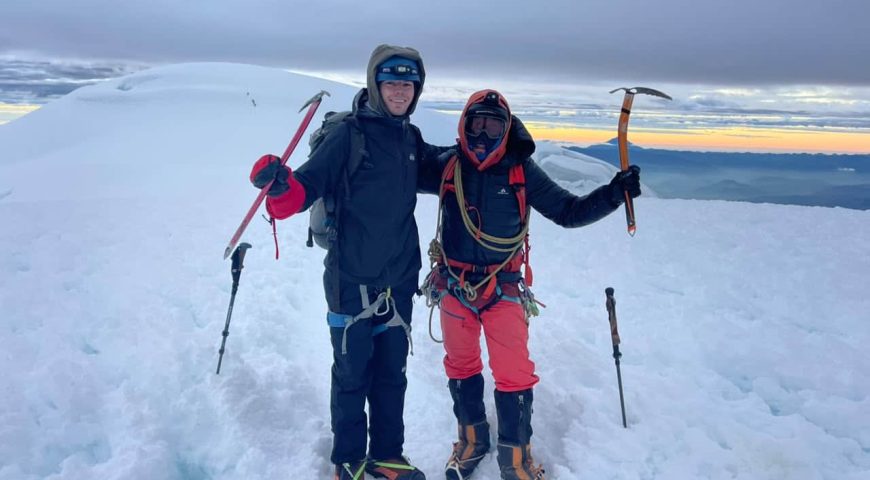
Why do climbers fail on Chimborazo? In our experience organizing Chimborazo expeditions in Ecuador, the most common reasons are insufficient acclimatization, accumulated fatigue, poor pacing, inadequate recovery, altitude problems and unfavorable mountain conditions. Chimborazo is not an extremely technical mountain by normal mountaineering standards, but climbing to 6,263 meters (20,548 ft) places enormous demands on the body.
Every year, climbers arrive in Ecuador with the dream of standing on the summit of Mount Chimborazo, Ecuador’s highest mountain. Some are experienced mountaineers. Others are strong hikers attempting their first 6,000-meter peak. Many are extremely fit.
Yet physical fitness alone does not guarantee a Chimborazo summit.
After nearly two decades organizing mountaineering expeditions in the Ecuadorian Andes, we have learned that success on Chimborazo is often determined several days before summit night begins.
Proper acclimatization, intelligent itinerary design, sufficient recovery, conservative pacing, guide-to-climber ratios and the weather window can all influence whether a climber reaches the summit or has to turn around.
If you’re planning to climb Chimborazo in Ecuador, understanding these factors before arriving can significantly improve your preparation and your chances of a successful expedition.
1. Poor Acclimatization Is One of the Biggest Reasons Climbers Fail on Chimborazo
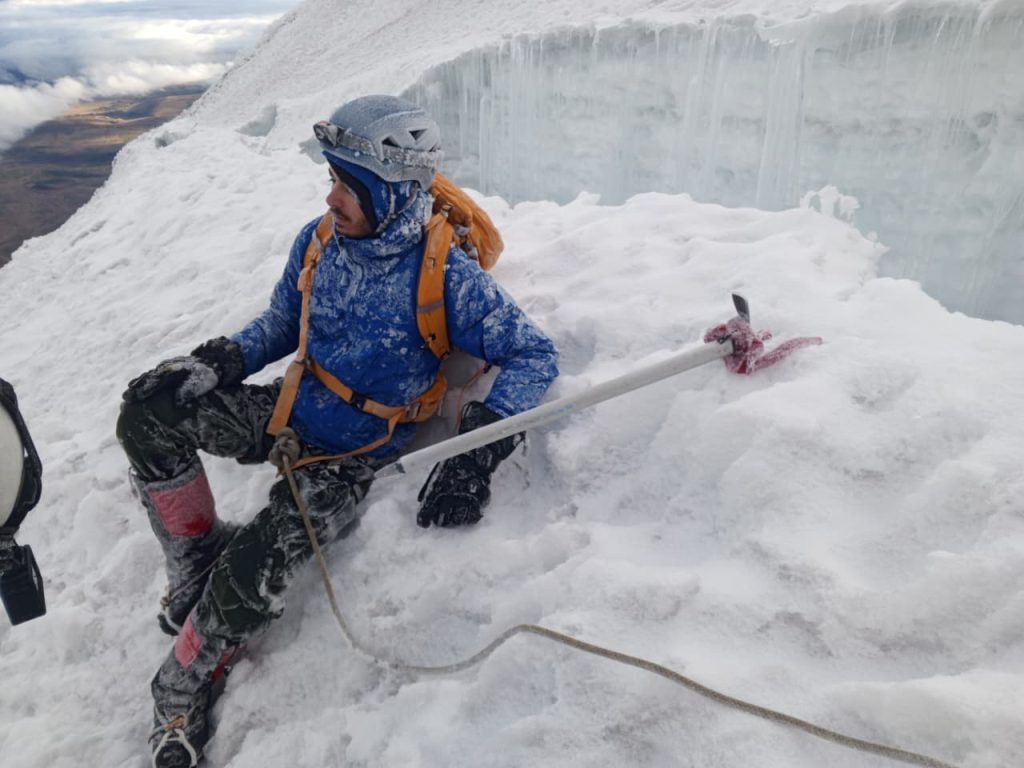
At 6,263 meters, Chimborazo takes climbers into an environment where considerably less oxygen is available than at sea level.
Being extremely fit does not eliminate the need for acclimatization.
A marathon runner, cyclist or experienced trekker can still struggle badly above 5,000 meters if the body has not been given sufficient time to adapt.
This is one of the biggest mistakes we see: travelers arrive in Ecuador with excellent cardiovascular fitness and assume this means they are ready for 6,000 meters.
They are two different things.
Your body needs progressive exposure to altitude.
A strong Chimborazo acclimatization program might progress through elevations such as:
Quito (2,850 m) → Rucu Pichincha (4,696 m) → Iliniza Norte (5,126 m) → Cotopaxi (5,897 m) → recovery → Chimborazo (6,263 m).
Not every climber requires exactly this itinerary. Someone who has recently spent significant time at altitude may need a different program.
The principle, however, remains the same:
Do not rush your acclimatization before Chimborazo.
2. Arriving in Ecuador and Climbing Too Quickly
One of Ecuador’s great advantages for mountaineers is that you can begin acclimatizing almost immediately after arriving.
Quito sits at approximately 2,850 meters (9,350 ft) above sea level.
That means simply sleeping in Quito already provides useful altitude exposure.
We use Quito Basecamp, located in Quito’s Historic Center, as the starting point for many of our expeditions. Climbers can recover from their international flight, organize their equipment and begin adapting to altitude before moving higher into the Andes.
But arriving in Quito does not mean you are automatically acclimatized.
Going directly from sea level to Quito and then attempting Chimborazo only a couple of days later can create unnecessary problems.
A few strategically planned acclimatization days at the beginning of an expedition can be much more valuable than trying to save one or two days by rushing toward the highest mountain.
3. Why Rucu Pichincha Works So Well for Chimborazo Acclimatization
Rucu Pichincha (4,696 m / 15,407 ft) is one of the most useful acclimatization mountains in Ecuador.
It is located immediately above Quito and can be accessed using Quito’s TelefériQo, which takes climbers to approximately 4,000 meters.
From there, the route gradually climbs toward the summit.
This creates an excellent opportunity to spend several hours above 4,000 meters without immediately committing to a glacier climb.
Rucu Pichincha also provides useful feedback about how your body is adapting.
How do you feel above 4,500 meters?
Are you developing a headache?
Are you drinking enough?
Can you maintain a slow and consistent hiking pace?
How quickly do you recover after steeper sections?
It is much better to discover how your body reacts to altitude on Rucu Pichincha than during the middle of a Chimborazo summit attempt.
For this reason, we frequently incorporate Rucu Pichincha into our Chimborazo acclimatization itineraries.
4. Why Climbing Cotopaxi Before Chimborazo Can Help
For many climbers, Cotopaxi (5,897 m / 19,347 ft) is excellent preparation for Chimborazo.
Cotopaxi takes you almost to 5,900 meters and provides valuable glacier experience before attempting Ecuador’s highest mountain.
It also introduces climbers to the rhythm of an Ecuadorian summit night: eating dinner early, resting for several hours, waking around midnight, preparing technical equipment in the dark and climbing roped on a glacier for several hours.
This experience is valuable.
By the time you arrive at Chimborazo, you have already experienced crampons, glacier travel, cold nighttime conditions and significant altitude.
Your body has also received exposure close to 6,000 meters.
This is why many of our Cotopaxi and Chimborazo climbing programs place Cotopaxi first.
However, there is an important detail that many itineraries overlook.
Climbing Cotopaxi before Chimborazo only helps if you allow your body to recover afterward.
5. Why Climbing Cotopaxi and Chimborazo Back-to-Back Can Be a Mistake
Acclimatization and recovery are not the same thing.
After climbing Cotopaxi, you may be better acclimatized, but you are also tired.
A Cotopaxi summit attempt can involve many hours of sustained physical effort. You may have slept poorly before the climb, consumed less food than normal and lost significant fluids.
Then you descend from the mountain, travel by vehicle and prepare for another summit attempt.
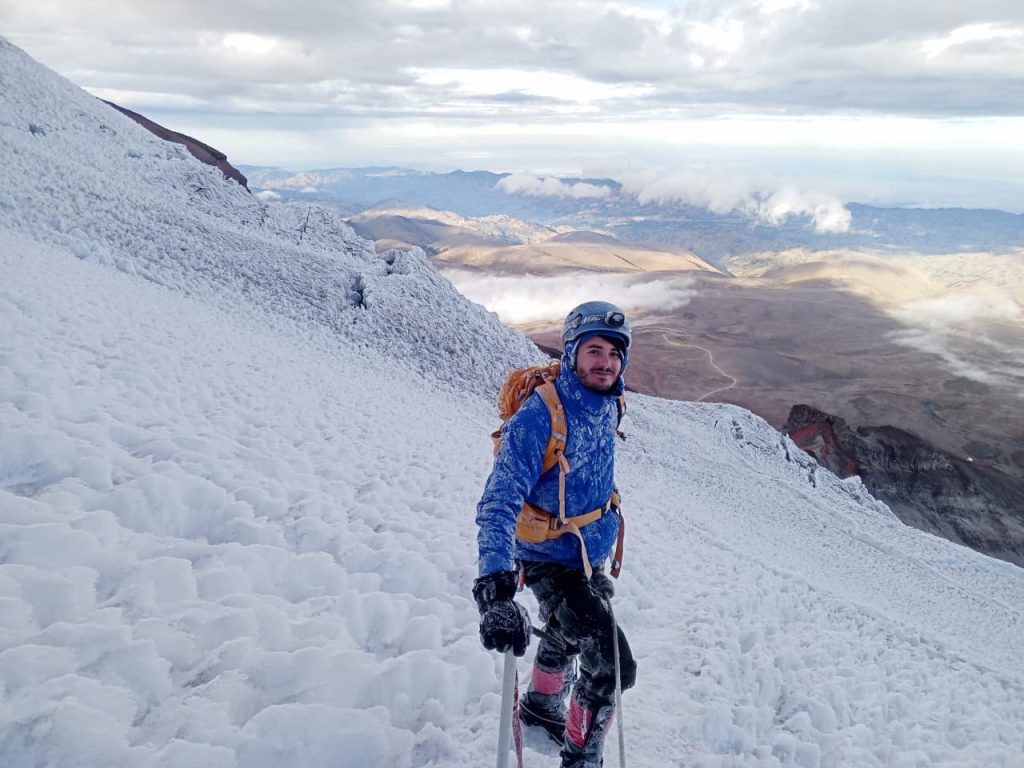
If Chimborazo follows immediately, you can begin the hardest climb of your expedition already fatigued.
This is one reason some climbers fail on Chimborazo even though their acclimatization appears adequate.
They are simply exhausted.
We frequently recommend a recovery day between Cotopaxi and Chimborazo.
That recovery day is not wasted time.
It is part of your Chimborazo climb.
6. Why Chimborazo Basecamp Lodge Is Strategically Important
One of the advantages we have developed within our own Chimborazo programs is the use of Chimborazo Basecamp Lodge, located at approximately 3,900 meters (12,795 ft).
The location provides an excellent transition between acclimatization climbs and the final Chimborazo summit attempt.
Instead of returning to a low-altitude city or immediately moving toward the mountain refuge, climbers can recover comfortably while continuing to sleep at altitude.
This provides a valuable combination:
physical recovery + continued altitude exposure.
At Chimborazo Basecamp Lodge, climbers can eat properly, hydrate, sleep, reorganize equipment and take short acclimatization walks without creating significant additional fatigue.
There is also a psychological benefit.
After several days of climbing, driving and moving between mountain refuges, spending a quiet day beneath Chimborazo gives climbers an opportunity to reset before the expedition’s biggest objective.
For many of our programs, we use the progression:
Cotopaxi summit → Chimborazo Basecamp Lodge → recovery and acclimatization → Chimborazo High Camp → Chimborazo summit attempt.
After years of organizing expeditions in Ecuador, we consider recovery at altitude one of the most underestimated components of a successful Chimborazo itinerary.
7. Chimborazo High Camp vs Refuge: Why Starting Higher Matters
One of the questions we receive most frequently is:
Should I climb Chimborazo from the refuge or from High Camp?
Both options are possible, but they create very different summit days.
The traditional Carrel Refuge is located at approximately 4,800 meters, while Chimborazo High Camp is around 5,300 meters.
Starting approximately 500 vertical meters higher reduces the elevation gain required during summit night.
That difference becomes significant above 5,000 meters.
At these elevations, even relatively small increases in altitude require considerably more effort than they would lower on the mountain.
Starting from High Camp allows a properly acclimatized climber to conserve more energy for the upper mountain and potentially reach the summit earlier.
However, there is an important distinction:
High Camp does not replace acclimatization.
Sleeping around 5,300 meters when you are poorly acclimatized can create more problems rather than solving them.
High Camp works best when it is the final stage of a progressive acclimatization program.
Our preferred formula is:
proper acclimatization + recovery + High Camp + conservative pacing + suitable mountain conditions.
High Camp can improve the logistics of summit night, but no camp location can guarantee a summit.
8. Starting Too Fast on Chimborazo Summit Night
This is one of the easiest mistakes to make.
At midnight, climbers often feel strong.
The adrenaline is high, everyone is excited and the summit seems achievable.
Some climbers naturally begin moving too quickly.
Several hours later, above 5,500 or 5,800 meters, the consequences become obvious.
Chimborazo rewards consistency, not speed.
Our guides deliberately establish a conservative pace from the beginning.
The objective isn’t to see how quickly you can climb the lower glacier.
The objective is to still have enough physical and mental energy when approaching 6,000 meters.
High-altitude mountaineering is largely about energy management.
The strongest climber at midnight is not necessarily the strongest climber at sunrise.
9. Weather Windows Matter More Than the Month You Choose
One of the most common questions we receive is:
What is the best time to climb Chimborazo?
The answer is more complicated than choosing a particular month.
Ecuador lies directly on the equator and does not experience four strongly marked seasons like Europe or North America.
Temperatures in the Ecuadorian Andes remain comparatively stable throughout the year, and we organize Chimborazo climbs year-round.
However, stable annual temperatures do not mean predictable mountain weather.
Chimborazo can experience strong winds, fresh snow, cloud, freezing temperatures and rapidly changing conditions during any month.
A month traditionally considered favorable can produce a difficult summit night.
A month considered wetter can produce an exceptional weather window.
This is why we pay more attention to current mountain conditions and short-term weather patterns than broad claims about the best month to climb Chimborazo.
No responsible operator can guarantee good weather or a summit.
The guide must always make the final decision based on actual mountain conditions.
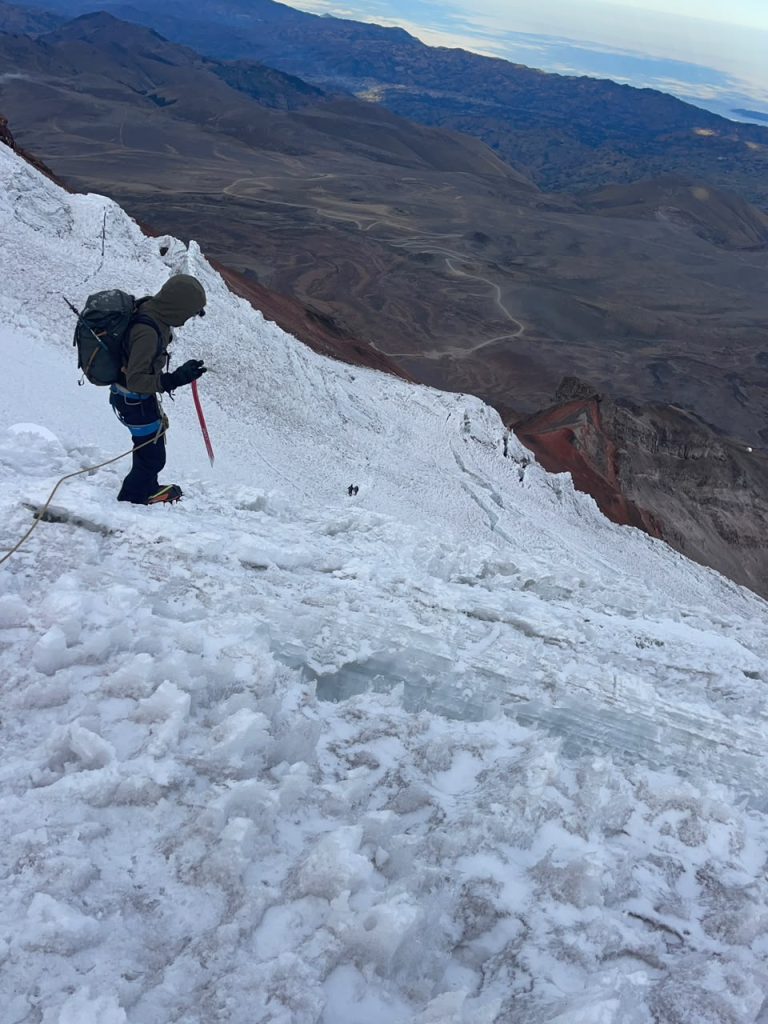
Why Guide-to-Climber Ratio Matters on Chimborazo
Guide ratio is another important factor that climbers sometimes overlook when comparing Chimborazo expeditions.
Our standard glacier climbing ratio is a maximum of two climbers per ASEGUIM-certified mountain guide.
The guide isn’t simply showing you the route.
Throughout summit night, the guide is constantly evaluating your pace, coordination, physical condition, altitude response, glacier conditions and weather.
The 1:2 ratio also has an important implication.
If two clients are climbing together on one rope team and one climber can no longer continue safely, the entire rope team may have to descend.
The second climber cannot simply continue alone.
For friends or couples with different fitness levels, this is worth considering before the expedition.
A private 1:1 guide arrangement can provide greater independence and flexibility during summit night.
Is Chimborazo Technically Difficult?
Another common search question is:
How hard is it to climb Chimborazo?
Chimborazo is a serious high-altitude glacier climb, but its normal routes are not considered extremely technical under normal conditions.
Climbers need to be comfortable wearing crampons, using an ice axe and harness, and traveling roped across glaciated terrain.
The greater challenge is the combination of altitude, cold, duration, glacier conditions, nighttime climbing and sustained physical effort.
This distinction is important.
Most climbers do not turn around because they lack advanced ice-climbing skills.
Altitude and accumulated fatigue are often much bigger factors.
Can Beginners Climb Chimborazo?
A physically fit beginner can potentially climb Chimborazo, but we would never describe Chimborazo as an easy beginner mountain.
Previous mountaineering experience is beneficial, but proper training and acclimatization are even more important.
For someone without glacier experience, we recommend completing glacier training or another glacier climb before Chimborazo.
Cotopaxi can provide valuable experience, while dedicated glacier training can teach basic crampon movement, ice-axe techniques, rope travel and other essential skills.
Ideally, your first time wearing crampons should not be at midnight during your Chimborazo summit attempt.
How Many Days Do You Need to Acclimatize for Chimborazo?
There is no universal number.
Different people acclimatize at different rates.
Someone arriving directly from sea level has a very different acclimatization profile from a climber who has just spent two weeks trekking above 4,000 meters.
For travelers arriving from lower elevations, we generally recommend progressive altitude exposure before Chimborazo.
A well-designed itinerary could include:
Quito – 2,850 m
Sleep at altitude, recover from international travel and organize equipment.
Rucu Pichincha – 4,696 m
Gain your first significant exposure above 4,000 meters.
Iliniza Norte – 5,126 m
Introduce your body to elevations above 5,000 meters.
Cotopaxi – 5,897 m
Gain significant high-altitude and glacier experience.
Chimborazo Basecamp Lodge – approximately 3,900 m
Recover physically while continuing to sleep at altitude.
Chimborazo High Camp – approximately 5,300 m
Position yourself for a shorter and more efficient summit attempt.
Chimborazo – 6,263 m
Attempt Ecuador’s highest summit after progressive preparation.
Not every climber requires this exact program.
But the principle is important:
arrive at Chimborazo progressively rather than simply arriving in Ecuador and heading directly to the highest mountain.
Is Chimborazo Harder Than Cotopaxi?
For most climbers, Chimborazo is harder than Cotopaxi.
Cotopaxi reaches 5,897 meters, while Chimborazo reaches 6,263 meters. That difference of 366 meters may not sound dramatic on paper, but above 5,500 meters it becomes significant.
Chimborazo also generally involves a longer summit effort, particularly when starting from the refuge.
Cotopaxi is therefore an excellent preparation mountain, but successfully climbing Cotopaxi should not create the impression that Chimborazo will simply be “a little higher.”
The final section toward 6,263 meters can feel considerably more demanding.
What Is the Best Time of Year to Climb Chimborazo?
Chimborazo can be climbed throughout the year.
Ecuador does not have strongly defined four-season weather, and mountain conditions vary considerably from one week to another.
Some periods are traditionally considered somewhat drier or more favorable, but there is no month when a successful summit can be guaranteed.
Wind, snowfall, glacier conditions and visibility are more important than simply choosing a month based on historical averages.
For this reason, flexibility and local mountain knowledge are essential.
Does High Camp Increase Your Chances of Summiting Chimborazo?
For a properly acclimatized climber, High Camp can provide an important advantage because the summit attempt starts approximately 500 vertical meters higher than from the traditional refuge.
This means a shorter summit night and less total elevation gain.
However, we deliberately emphasize “properly acclimatized.”
Moving someone who has not acclimatized adequately directly to 5,300 meters is not a solution.
High Camp should be viewed as one component of a complete summit strategy rather than a shortcut.
So, Why Do Most Climbers Fail on Chimborazo?
There usually isn’t one dramatic reason.
More commonly, several small problems accumulate.
A climber may have arrived too quickly from sea level, slept poorly, climbed another mountain without recovering, eaten too little, become dehydrated, started summit night too quickly and then encountered difficult wind or snow above 5,500 meters.
Individually, none of those factors necessarily ends an expedition.
Combined, they can.
In our experience, the most preventable causes of unsuccessful Chimborazo attempts are poor acclimatization, inadequate recovery and poor pacing.
Other factors, particularly weather and mountain conditions, remain outside anyone’s control.
That is why no responsible mountain operator should ever guarantee that a client will reach the summit.
Our Approach to Climbing Chimborazo
Ecuador Eco Adventure has been organizing adventure travel and mountaineering expeditions in Ecuador since 2006.
Our Chimborazo programs have developed from years of working directly with climbers in the Ecuadorian Andes and observing what helps—and what hurts—performance at high altitude.
We use ASEGUIM-certified mountain guides, progressive acclimatization itineraries, appropriate guide-to-client ratios and realistic summit strategies.
We also operate Chimborazo Basecamp Lodge at approximately 3,900 meters, allowing us to incorporate recovery at altitude directly into our programs.
For properly acclimatized climbers, we can then continue to Chimborazo High Camp at approximately 5,300 meters, reducing the length and elevation gain of summit night.
These details may appear small when reading an itinerary from home.
At 6,000 meters, they are not.
Planning to Climb Chimborazo? Start With the Right Question
Many climbers begin their research by asking:
How quickly can I climb Chimborazo?
We believe there is a better question:
How can I arrive at Chimborazo properly acclimatized, recovered and prepared?
That change in thinking can completely change your expedition.
Chimborazo can be climbed throughout the year, but every summit attempt is ultimately governed by altitude, weather, glacier conditions and the physical condition of the climber.
Proper acclimatization, intelligent pacing, sufficient recovery, professional guiding and flexibility remain the foundations of a successful Chimborazo expedition.
Whether you choose a dedicated Chimborazo climb or a longer Ecuador mountaineering program combining Rucu Pichincha, Iliniza Norte, Cotopaxi and Chimborazo, the objective should be the same:
arrive at summit night with the strongest body possible—not simply the shortest itinerary.
Frequently Asked Questions About Climbing Chimborazo
How high is Chimborazo?
Chimborazo’s highest point, Whymper Summit, reaches 6,263 meters (20,548 ft) above sea level. It is the highest mountain in Ecuador.
Why is Chimborazo famous?
Because of the Earth’s equatorial bulge, Chimborazo’s summit is the point on Earth’s surface farthest from the planet’s center. This is why it is often described as the closest point on Earth to the sun.
How hard is it to climb Chimborazo?
Chimborazo’s normal routes are not extremely technical under normal conditions, but the mountain is physically demanding because of its 6,263-meter altitude, cold temperatures, glacier travel and long summit night.
Can a beginner climb Chimborazo?
A fit and properly acclimatized beginner can potentially climb Chimborazo with a certified guide, although previous glacier experience or glacier training is strongly recommended.
Do I need a guide to climb Chimborazo?
Chimborazo is a glaciated high-altitude mountain. We strongly recommend climbing with an ASEGUIM-certified Ecuadorian mountain guide familiar with current routes, glacier conditions and local weather.
What is the best acclimatization for Chimborazo?
A progressive itinerary that begins in Quito and includes peaks such as Rucu Pichincha, Iliniza Norte and potentially Cotopaxi provides excellent preparation. Recovery at Chimborazo Basecamp Lodge before moving to High Camp can further strengthen the acclimatization strategy.
Should I climb Cotopaxi before Chimborazo?
For many climbers, yes. Cotopaxi provides valuable glacier experience and altitude exposure up to 5,897 meters before attempting Chimborazo at 6,263 meters.
Should I rest after Cotopaxi before climbing Chimborazo?
We strongly recommend it. Cotopaxi provides excellent acclimatization, but the climb also creates fatigue. A recovery day allows you to rehydrate, eat properly and restore energy before Chimborazo.
Chimborazo High Camp or Refuge: which is better?
For a properly acclimatized climber, High Camp can make the summit attempt shorter because you begin approximately 500 vertical meters higher. The refuge remains an option, but it creates a longer summit night.
What altitude is Chimborazo High Camp?
Our High Camp is located at approximately 5,300 meters.
Where is Chimborazo Basecamp Lodge?
Chimborazo Basecamp Lodge is located on the lower slopes of Chimborazo at approximately 3,900 meters, making it strategically useful for recovery and acclimatization before the summit attempt.
Can you climb Chimborazo all year?
Yes. We organize Chimborazo climbs throughout the year. Ecuador does not have four strongly marked seasons, although high-mountain weather remains unpredictable during every month.
What is the best month to climb Chimborazo?
There is no single month that guarantees ideal conditions. Historical weather patterns can provide guidance, but actual wind, snowfall, glacier conditions and short-term forecasts are more important when deciding whether to attempt the summit.
What is the guide-to-climber ratio on Chimborazo?
Our standard ratio is a maximum of two climbers per ASEGUIM-certified mountain guide. Private 1:1 guiding can also be arranged for greater flexibility.
What happens if one climber in a two-person rope team cannot continue?
If two clients are sharing one guide and one climber needs to descend, the rope team generally needs to descend together. This is why climbers with significantly different abilities may want to consider individual guides.
Does High Camp guarantee a Chimborazo summit?
No. High Camp reduces the elevation gain required during summit night, but it cannot guarantee success. Altitude response, weather, glacier conditions, physical fitness and guide safety decisions all affect the outcome.
What is the biggest reason people don’t summit Chimborazo?
There is no single reason, but in our operational experience, inadequate acclimatization, accumulated fatigue and poor pacing are among the most important preventable factors. Weather and mountain conditions can also end an attempt regardless of how well a climber has prepared.
About the Author
Wladimir Ortiz is the founder of Ecuador Eco Adventure, an Ecuadorian adventure travel and mountaineering company established in 2006. Based in the Ecuadorian Andes, Ecuador Eco Adventure specializes in high-altitude acclimatization programs and guided expeditions on Chimborazo, Cotopaxi, Cayambe, the Ilinizas and other Ecuadorian mountains.
Through nearly two decades of operating climbing expeditions in Ecuador, the company has developed its programs around progressive acclimatization, professional mountain logistics, ASEGUIM-certified guides and realistic high-altitude preparation.
Ecuador Eco Adventure also operates Quito Basecamp in Ecuador’s capital and Chimborazo Basecamp Lodge at approximately 3,900 meters, allowing climbers to integrate strategic altitude accommodation directly into their Ecuador mountaineering itineraries.

General Manager and Founder. National guide and wildlife expert, photographer of wildlife, and Ecuador Birdwatcher. Wlady is a proud Ecuadorian who went to highschool in New Zealand and started of Ecuador Eco Adventure after meeting his Aussie mate Jake while studying ecotourism at uni. Ask us about how to climb Cotopaxi and Climbing Chimborazo as well as Trekking in Ecuador and Yasuni Amazon Tours.