
Is Ecuador Safe for Mountaineering in 2026? What Climbers Need to Know Before Visiting
One of the most common questions international travelers are currently asking is: “Is Ecuador safe for mountaineering in 2026?”
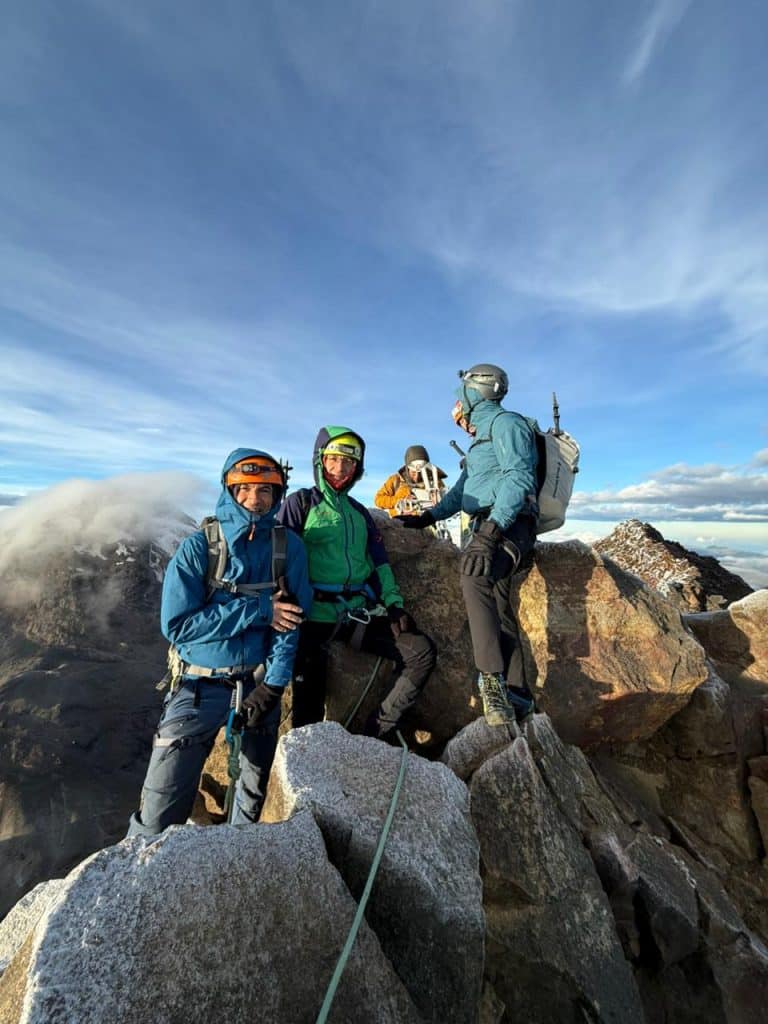
With international news often focusing on security issues in certain parts of the country, many climbers researching Cotopaxi, Chimborazo, and Ecuador volcano expeditions naturally want to understand the real situation before planning a trip.
The short answer is yes — Ecuador remains one of the best destinations in South America for high-altitude mountaineering, glacier climbing, acclimatization, and adventure travel.
However, like many countries around the world, understanding regional differences is important.
The reality on Ecuador’s volcanoes and mountain regions is very different from the perception many people get from international headlines.
The Andes Region of Ecuador Remains Stable for Tourism and Mountaineering
Most mountaineering expeditions in Ecuador take place in the Andes Highlands, far from the areas commonly associated with security concerns.
The main climbing regions include:
- Cotopaxi National Park
- Chimborazo Wildlife Reserve
- Cayambe region
- Ilinizas Ecological Reserve
- Antisana Reserve
- Quito Highlands
These mountain environments continue operating normally for:
- Guided climbs
- Acclimatization programs
- Trekking expeditions
- Volcano tours
- Glacier mountaineering
- Birdwatching and nature tourism
Most climbers visiting Ecuador are surprised by how calm and organized the Andes regions feel compared to what they expected before arriving.
Why Ecuador Remains One of the Best Countries for Mountaineering
Ecuador continues attracting mountaineers from around the world because very few destinations offer such efficient access to high altitude combined with modern logistics, experienced mountain guides, and year-round climbing opportunities. Within only a few hours from Quito, climbers can already begin acclimatization hikes above 4,000 meters, making the country one of the most effective places in the world for high-altitude training and progressive mountaineering preparation. This unique geography allows travelers to gradually adapt to altitude while gaining glacier climbing experience on world-famous peaks such as Cotopaxi and Chimborazo without requiring long multi-day approaches common in larger mountain ranges. Ecuador has become especially important for climbers preparing for expeditions in Peru, Bolivia, Aconcagua, and even the Himalayas because it provides accessible glacier climbing, beginner mountaineering courses, and strategic acclimatization within relatively short travel distances. Combined with comfortable accommodations, organized transportation, and highly experienced mountain operations, Ecuador remains one of the most important and efficient mountaineering destinations in South America for both first-time climbers and experienced high-altitude expedition teams.
Is Quito Safe for Travelers and Climbers?
Most mountaineering expeditions begin in Quito, Ecuador’s capital city and one of the highest capitals in the world.
Like any major Latin American city, Quito requires normal travel awareness, especially in crowded urban areas. However, the tourism and historic districts commonly used by travelers and climbers continue operating normally.
Areas frequently used by mountaineers include:
- Historic Center
- La Mariscal
- Cumbayá
- Airport corridor
- Teleférico area
Most climbers spend their first acclimatization days in Quito without issues while preparing for mountain expeditions.
As with any international destination, using organized transportation, avoiding isolated areas late at night, and working with established operators are always recommended.
Cotopaxi and Chimborazo Expeditions Continue Operating Normally
One of the biggest misconceptions online is that Ecuador’s mountaineering operations have stopped or become unsafe.
This is simply not true.
Climbs on Cotopaxi, Chimborazo, Cayambe, Iliniza Norte, and other major peaks continue operating with certified mountain guides and normal logistics.
The mountain regions themselves are highly isolated from urban conflict zones and function primarily around:
- National parks
- Indigenous communities
- Eco-tourism
- Adventure travel
- Conservation activities
In reality, most mountaineering itineraries spend very little time in high-risk urban environments.
Why Organized Expeditions Matter More Than Ever
When travelers ask whether Ecuador is safe for mountaineering, one of the most important factors is not only the destination itself, but how the expedition is organized from the moment they arrive. Professional logistics dramatically change the overall travel experience, especially in high-altitude environments where transportation, acclimatization, weather conditions, and local operational knowledge play a critical role in both safety and summit success. Organized mountaineering expeditions provide structured airport pickups, secure private transportation, certified mountain guides, updated route information, real-time weather monitoring, and coordinated logistics designed specifically for climbing Ecuador’s volcanoes efficiently and safely. At Ecuador Eco Adventure, our programs are built around more than 20 years of operational experience guiding throughout Ecuador’s Andes, combining ASEGUIM-certified mountain guides, strategic acclimatization itineraries, safe transportation routes, professional summit planning, and constant operational monitoring in the mountains. For climbers visiting Ecuador for the first time, these details make an enormous difference, reducing unnecessary stress while creating a safer, smoother, and far more enjoyable expedition experience on peaks such as Cotopaxi and Chimborazo.
The Galápagos Islands Continue Operating Normally
Another important point many travelers overlook is that the Galápagos Islands are geographically isolated from mainland Ecuador.
The islands continue functioning normally for:
- Wildlife tourism
- Diving trips
- Island hopping
- Cruises
- Snorkeling tours
- Nature expeditions
Tourism infrastructure in the Galápagos remains stable, and the islands continue receiving travelers from around the world throughout 2026.
Many travelers now combine:
- Cotopaxi climbs
- Chimborazo expeditions
- Quito acclimatization
- Galápagos island hopping
within the same Ecuador itinerary.
Understanding the Difference Between Headlines and Reality
One of the biggest challenges modern travelers face is distinguishing between national headlines and actual tourism conditions on the ground.
International media often generalizes situations occurring in specific urban or coastal regions, while Ecuador’s tourism and mountain regions continue functioning normally.
This is especially true for:
- Cotopaxi National Park
- Chimborazo Reserve
- Avenue of the Volcanoes
- Quilotoa region
- Mindo Cloud Forest
- Galápagos Islands
Travelers already visiting Ecuador frequently report that conditions feel far calmer and more organized than expected.
Why Ecuador Continues Growing as an Adventure Destination
Despite global concerns and changing travel trends around the world, Ecuador continues strengthening its reputation as one of South America’s leading destinations for adventure travel, high-altitude mountaineering, wildlife tourism, and nature expeditions. Few countries offer such an extraordinary combination of accessible glaciated volcanoes, year-round climbing opportunities, high biodiversity, and short travel distances within such a compact territory. In a single trip, travelers can climb snow-covered peaks like Cotopaxi and Chimborazo, explore cloud forests filled with endemic bird species, trek through Andean landscapes, and continue directly to the world-famous Galápagos Islands for wildlife encounters found nowhere else on Earth. Ecuador has become especially important for mountaineers because it allows climbers to access elevations above 5,000 and 6,000 meters with relatively efficient logistics, experienced mountain guides, and comfortable acclimatization infrastructure compared to many larger mountain regions worldwide. Combined with its rich indigenous culture, protected national parks, affordable expedition logistics, and rapidly growing adventure tourism infrastructure, Ecuador continues attracting climbers, trekkers, birdwatchers, photographers, and explorers searching for authentic outdoor experiences in South America.
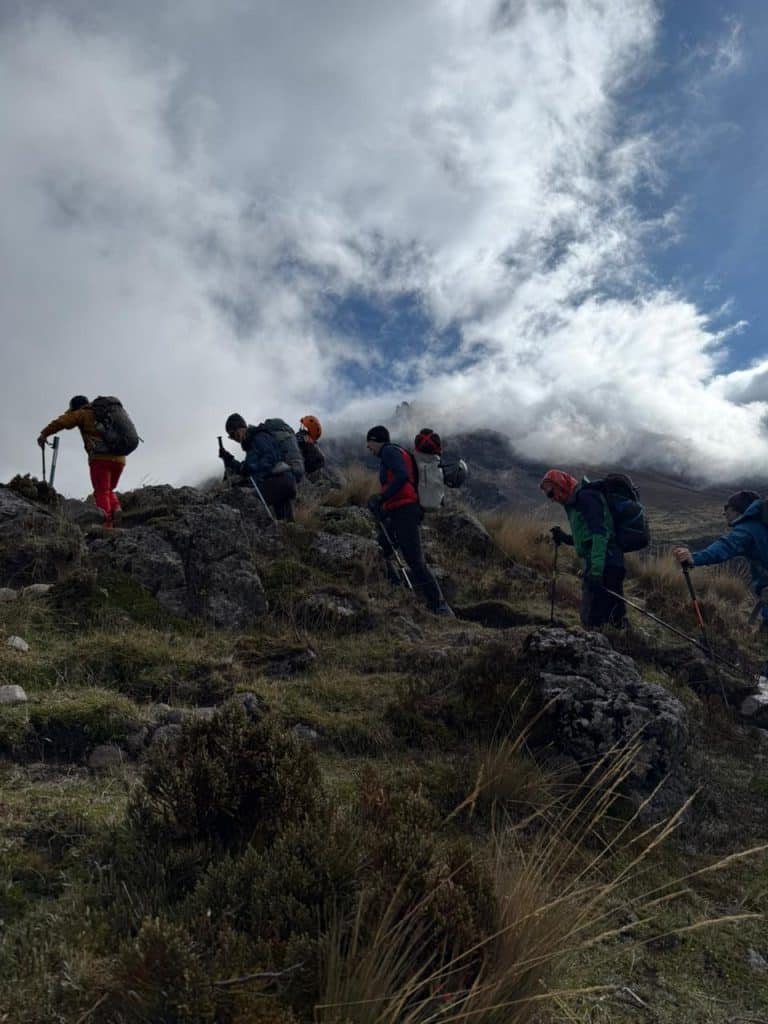
Is Ecuador Safe for Mountaineering in 2026?
For climbers focused on the Andes Highlands, acclimatization programs, and organized expeditions, Ecuador remains one of the best and most rewarding mountaineering destinations in the world.
As with any international trip, working with experienced operators, staying informed, and following local guidance is important. But the reality on Ecuador’s volcanoes is far more stable than many travelers initially expect.
For mountaineers planning:
- Cotopaxi climbs
- Chimborazo expeditions
- Ecuador acclimatization programs
- Glacier climbing experiences
- Andes mountaineering adventures
Ecuador continues to offer world-class opportunities throughout 2026.
Climb With Ecuador Eco Adventure
At Ecuador Eco Adventure, we specialize in high-altitude mountaineering expeditions, acclimatization programs, glacier climbs, trekking adventures, and customized Galápagos tours backed by more than 20 years of operational experience in Ecuador’s Andes and protected natural regions. Our team works exclusively with ASEGUIM-certified mountain guides who understand the real challenges of climbing Ecuador’s volcanoes, from acclimatization and glacier safety to summit pacing and changing mountain conditions. Every expedition is carefully designed to maximize safety, comfort, and summit success through strategic acclimatization schedules, professional mountain logistics, safe private transportation, and personalized itineraries adapted to each climber’s experience and objectives. Whether your goal is climbing Cotopaxi, reaching the summit of Chimborazo, exploring Ecuador’s Avenue of the Volcanoes, or combining mountaineering with a Galápagos Islands adventure, our programs are built around authentic local expertise, responsible tourism, and real operational knowledge developed through years of guiding in Ecuador.
Feel free to send us your inquiries to: ecuadorecoadventure@gmail.com

General Manager and Founder. National guide and wildlife expert, photographer of wildlife, and Ecuador Birdwatcher. Wlady is a proud Ecuadorian who went to highschool in New Zealand and started of Ecuador Eco Adventure after meeting his Aussie mate Jake while studying ecotourism at uni. Ask us about how to climb Cotopaxi and Climbing Chimborazo as well as Trekking in Ecuador and Yasuni Amazon Tours.