
The Best Acclimatization Plan for Ecuador:
How to Prepare for Cotopaxi and Chimborazo
If you search online for “best acclimatization plan for Chimborazo,” “how to acclimatize in Ecuador,” or “how difficult is Cotopaxi,” you will find hundreds of generic travel articles repeating the same information. Most of them are written by people who have never actually spent time guiding on Ecuador’s volcanoes.
The reality of mountaineering in Ecuador is very different once you arrive here.
Altitude is the single biggest reason climbers fail on Chimborazo and Cotopaxi. It is not usually lack of strength, expensive gear, or technical ability. Even very fit athletes can struggle badly above 5,000 meters if they rush acclimatization.
This is why experienced mountaineering operators in Ecuador focus more on altitude progression than aggressive itineraries.
The best acclimatization plan in Ecuador is not about climbing fast. It is about teaching your body how to perform efficiently at altitude while still recovering correctly between climbs.
Why Ecuador Is One of the Best Countries for Acclimatization
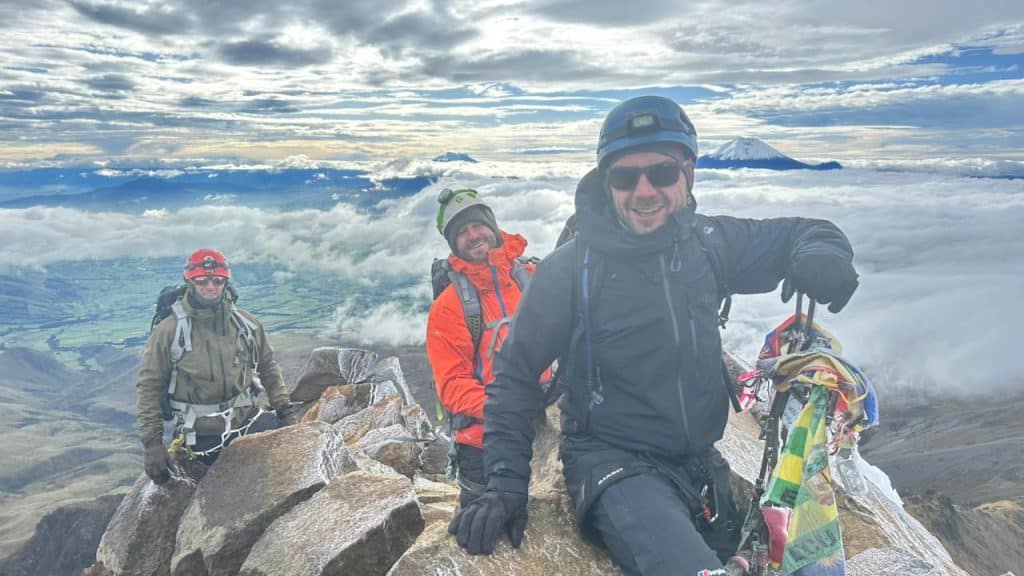
One of Ecuador’s biggest advantages is that climbers can access high elevations extremely quickly. Within only a few hours from Quito, you can already be hiking above 4,000 meters. This makes Ecuador one of the best countries in the world for high-altitude preparation and glacier climbing.
However, easy road access creates a dangerous misconception. Many travelers assume that because the mountains are accessible, acclimatization becomes less important. In reality, the opposite is true. Climbers who move too high too quickly often experience headaches, nausea, poor sleep, exhaustion, and failed summit attempts.
The most effective acclimatization strategy in Ecuador follows a gradual progression.
Most successful expeditions begin in Quito at approximately 2,850 meters. Even though Quito already feels high for many international visitors, it is actually the ideal starting point for altitude adaptation. The first days should be relaxed. Walking through the historic center, hydrating properly, eating well, and resting are more important than intense exercise during this phase.
After adapting in Quito, the next step is usually Rucu Pichincha, one of the best acclimatization hikes in Ecuador. Reaching approximately 4,700 meters, Rucu Pichincha allows climbers to experience thinner air without immediately committing to a technical mountain. For many people, this is the first moment they truly feel how altitude changes breathing and physical performance.
The progression continues with Iliniza Norte, which many experienced guides consider one of the best acclimatization mountains in South America. At 5,126 meters, Iliniza Norte helps climbers adapt to longer summit days and higher elevations before stepping onto glacier terrain. Unlike Cotopaxi or Chimborazo, it usually does not require glacier travel, which makes it an excellent intermediate mountain.
The Ideal Progression Before Climbing Chimborazo
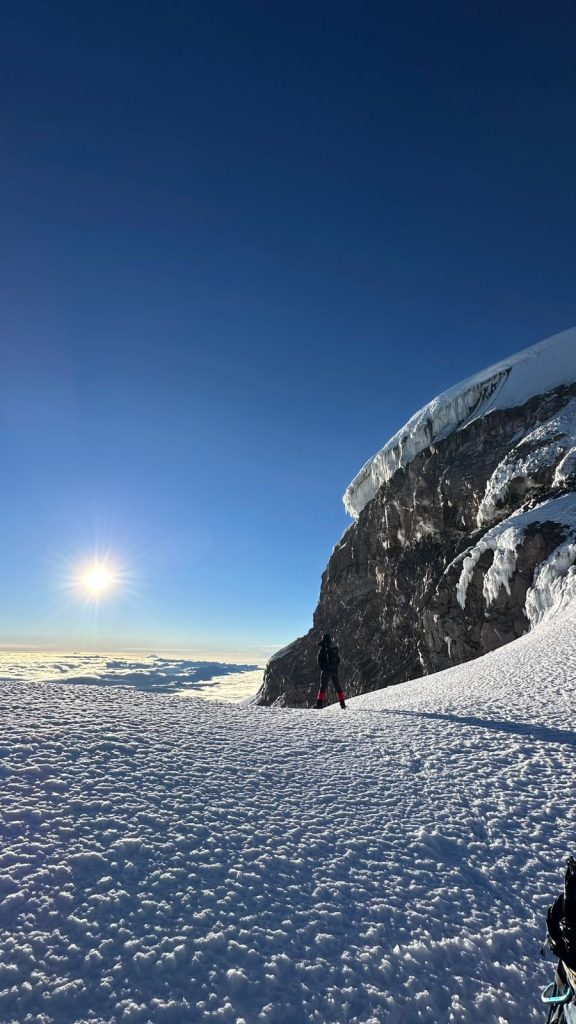
By the time climbers move onto Cotopaxi, the body is already significantly better adapted to altitude. This dramatically improves summit success rates. Cotopaxi is often called one of the best beginner glacier climbs in the world because it combines high altitude with relatively straightforward glacier terrain under good conditions.
Most summit attempts begin from the José Rivas Refuge at 4,864 meters, usually around midnight. Climbers spend six to eight hours on glacier terrain before reaching the summit near sunrise. Without acclimatization, this effort becomes far more difficult than many travelers expect.
After Cotopaxi, recovery becomes just as important as climbing itself.
One of the biggest mistakes people make when planning mountaineering itineraries in Ecuador is not allowing enough recovery time before attempting Chimborazo. At Ecuador Eco Adventure, we use Chimborazo Basecamp Lodge as a strategic acclimatization and recovery location before the final summit push.
Located around 3,900 to 4,000 meters near the Chimborazo reserve, the lodge creates the perfect balance between altitude exposure and physical recovery. Climbers continue adapting naturally while recovering strength after previous climbs. This stage becomes critical before moving higher onto Chimborazo itself.
Many failed Chimborazo expeditions are not caused by bad weather or technical difficulty. They are caused by rushed itineraries where climbers simply never had enough time to recover properly.
By the time climbers finally attempt Chimborazo, the body should already be functioning efficiently above 5,000 meters. This changes the entire summit experience. Breathing improves, recovery between steps becomes easier, and climbers can maintain a stronger pace higher on the mountain.
At 6,263 meters, Chimborazo is a serious high-altitude expedition. The mountain is physically demanding, glacier conditions constantly change, and summit day requires patience and efficient pacing. Climbers attempting Chimborazo too early often struggle long before reaching the upper mountain.
Why This Acclimatization Strategy Works
Experienced operators consistently recommend the same progression:
Quito → Rucu Pichincha → Iliniza Norte → Cotopaxi → Chimborazo.
It is not simply a tourism itinerary. It is a proven acclimatization system refined through years of guiding on Ecuador’s volcanoes.
Modern climbers searching online for terms like “best acclimatization itinerary Ecuador,” “how to prepare for Chimborazo,” “Cotopaxi acclimatization plan,” or “best Ecuador volcano progression” are increasingly looking for real operational knowledge rather than generic travel content.
This is exactly where Ecuador has become one of the world’s best mountaineering destinations. Few countries allow climbers to progressively move from 2,800 meters to over 6,000 meters within such a short geographic distance while still maintaining relatively comfortable logistics.
For mountaineers preparing for Peru, Bolivia, Aconcagua, or even Himalayan expeditions, Ecuador provides one of the most efficient acclimatization environments available anywhere in the world.
At Ecuador Eco Adventure, our acclimatization-focused programs are designed specifically around this philosophy. Every itinerary is built to maximize altitude adaptation, improve summit success rates, and create safer glacier climbing experiences with ASEGUIM-certified mountain guides.
Have more questions? feel free to contact us at ecuadorecoadventure@gmail.com

General Manager and Founder. National guide and wildlife expert, photographer of wildlife, and Ecuador Birdwatcher. Wlady is a proud Ecuadorian who went to highschool in New Zealand and started of Ecuador Eco Adventure after meeting his Aussie mate Jake while studying ecotourism at uni. Ask us about how to climb Cotopaxi and Climbing Chimborazo as well as Trekking in Ecuador and Yasuni Amazon Tours.